
Young Dogs Need Structure, Not Just a Kennel
Puppy Boarding Services in Lufkin for young dogs requiring age appropriate supervision, consistent potty break routines, and controlled socialization during overnight or multi day stays
Puppies have fundamentally different boarding needs than adult dogs, their bladders aren't fully developed, their tolerance for stress is lower, and their early boarding experiences can shape how they respond to kennels for the rest of their lives. Drop Tine Kennels provides puppy specific boarding in Lufkin that accounts for those developmental realities through frequent potty breaks, age appropriate supervised play, and feeding schedules managed to match what the owner has established at home. This is not adult boarding scaled down; it's a distinct approach based on what young dogs actually require.
Puppy boarding involves more frequent intervention throughout the day than adult boarding does. Young dogs need potty access every two to three hours at minimum, and that schedule is maintained consistently to avoid regression in house training progress. Socialization during a puppy's boarding stay is introduced carefully, interaction with other dogs is supervised and staged to avoid overwhelming a young dog that hasn't yet developed the social fluency of an adult animal. Feeding portions and timing follow the owner's established schedule, which matters because puppies on irregular feeding schedules are more prone to digestive issues and nighttime restlessness.
Arrange a pre boarding visit to introduce your puppy to the facility and discuss the daily routine before the first overnight stay.
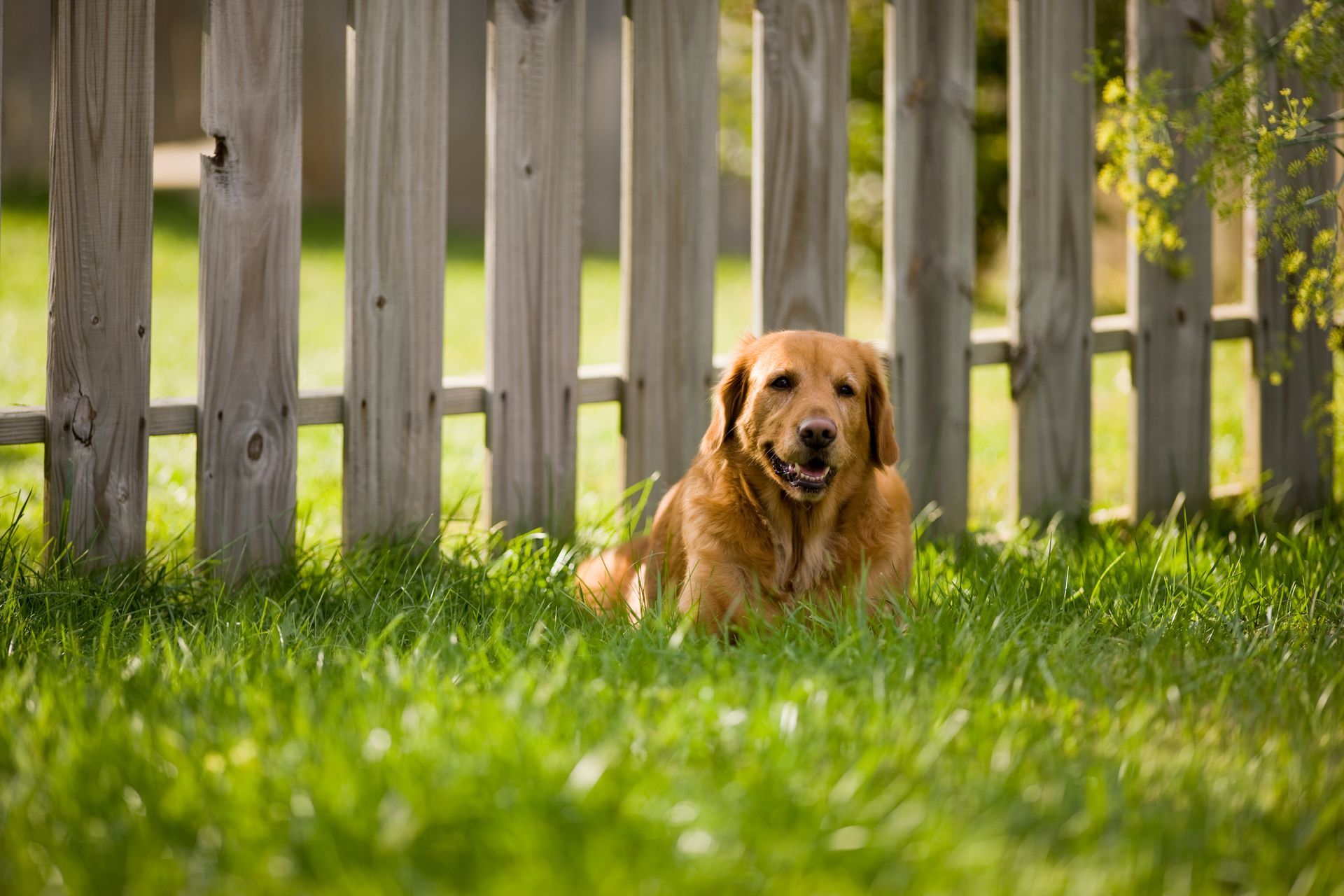
How Puppy Boarding Differs From Adult Dog Care
The practical differences in puppy boarding show up most clearly in time and supervision. While an adult dog may be comfortable with two to three scheduled outdoor breaks per day, a puppy typically needs four to six, depending on age and bladder development. At Drop Tine Kennels, those breaks are built into the puppy care schedule rather than treated as exceptions. This consistency is what protects house training progress during a stay, owners return to a puppy that hasn't regressed, which is the most common concern for dogs under eight months.
After a puppy boarding stay, owners generally notice that their dog returns with a positive association with the kennel environment rather than one built on stress or confusion. Early, well managed boarding experiences establish a behavioral baseline that makes future stays progressively easier, a practical outcome that matters for owners who board regularly.
Socialization opportunities during puppy boarding are kept age appropriate, younger dogs are not mixed into adult group play without clear assessment of temperament and size compatibility. Mental stimulation activities supplement physical play to keep puppies engaged without over tiring them, since puppies need more sleep than adult dogs and overshooting their activity level leads to behavioral disruption.
Questions Puppy Owners Ask Before Boarding
Owners boarding a puppy for the first time typically have specific concerns about regression, safety, and how their dog will handle the environment. These answers address the most frequent questions.
How often will my puppy get potty breaks during a stay?
Breaks are scheduled throughout the day based on the puppy's age and bladder development younger puppies receive more frequent access than older ones approaching six months.
What happens if my puppy isn't fully vaccinated yet?
Vaccination status is confirmed before boarding begins, and the socialization approach is adjusted based on what vaccines the puppy has received to that point.
How are feeding schedules managed for puppies on multiple daily meals?
Owners provide the feeding schedule, and staff follow the specified portion sizes and timing puppies on three or four daily meals are accommodated without adjustment to a simplified two-meal adult schedule.
Why does early boarding in Lufkin's warmer months require extra attention?
Heat affects puppies more quickly than adult dogs, so outdoor time during summer boarding stays is kept to early morning and early evening hours when temperatures are manageable.
When is a puppy ready for its first boarding stay?
Most puppies are ready for a short overnight stay after completing their core vaccination series, which is typically around sixteen weeks, though temperament and prior socialization experience also factor into readiness.
Drop Tine Kennels can answer specific questions about your puppy's age, vaccination status, and routine before confirming a boarding reservation.