
Big Dogs Need More Than a Standard Daycare Setup
Large Dog Daycare in Lufkin for high energy, large breed dogs that require spacious exercise areas, supervised group activity, and structured daily schedules to stay calm and manageable
A sixty pound dog with unspent energy is a different management problem than a twelve pound dog in the same situation, and daycare environments that treat large breeds as scaled up small dogs consistently underserve them. Drop Tine Kennels offers large dog daycare in Lufkin designed around what high energy, larger breed dogs actually need: spacious areas to move, supervised group play with appropriately matched dogs, and structured daily schedules that channel physical energy in a directed way rather than letting it accumulate.
Large breed dogs require exercise sessions calibrated to their energy output, not just their size. A structured daily schedule at Drop Tine Kennels includes energy burning activity in spacious outdoor areas, supervised group interactions with dogs of comparable size and temperament, and rest intervals that prevent the overstimulation that tips large breed play from engagement into conflict. The grouping decisions, who plays with whom and for how long, are made based on temperament observation, not assumption, because breed generalizations about large dogs are not reliable predictors of individual behavior.
Talk with Drop Tine Kennels about your large dog's activity level and any known social tendencies before scheduling a daycare session.
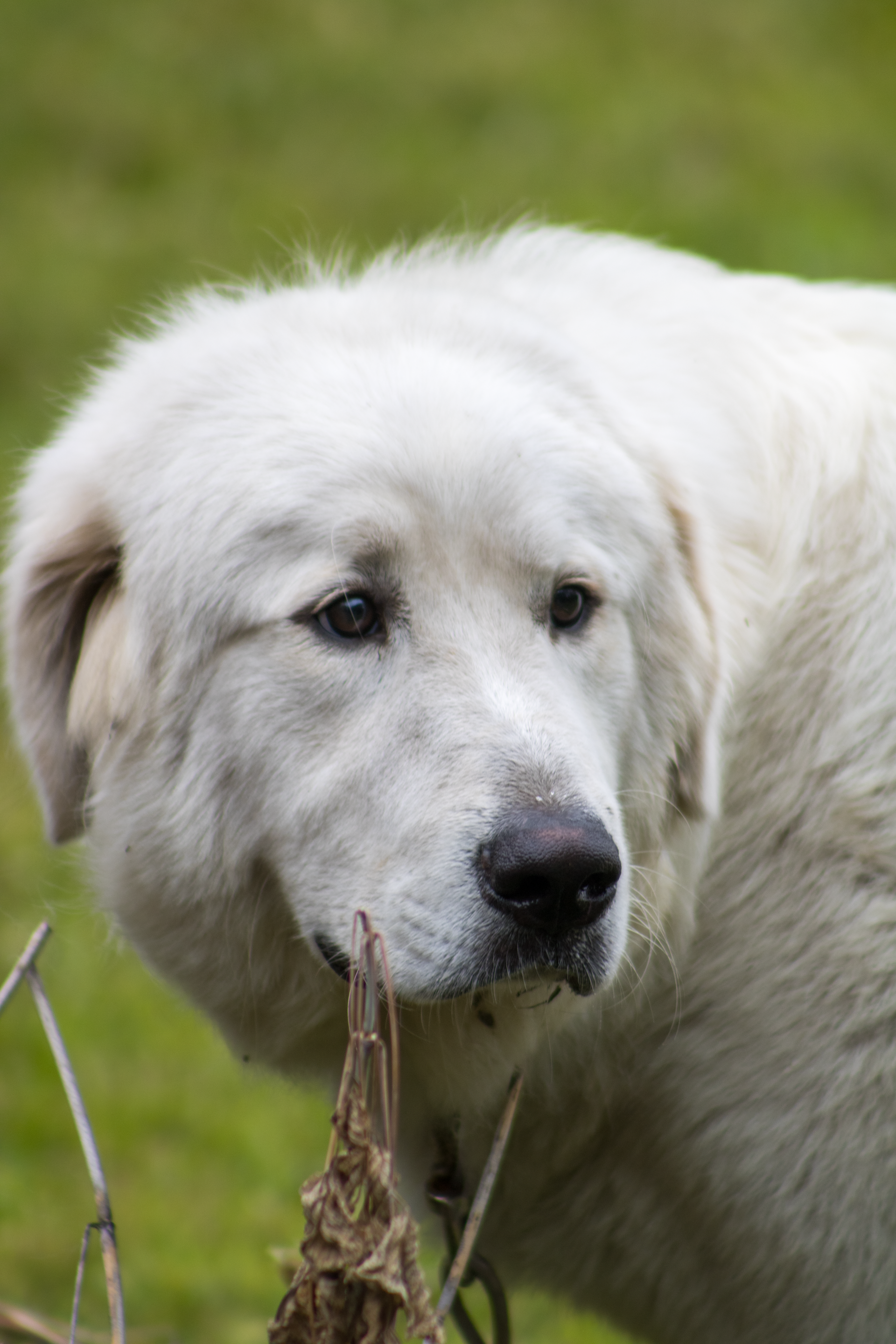
What Large Dog Daycare Actually Requires
Spacious exercise areas matter for large-breed dogs not just because of physical size, but because movement is how these dogs communicate and establish comfort. A large dog crowded into a small play space will show stress signals, stiffening, resource guarding, or avoidance behavior, that wouldn't appear in an appropriately sized environment. At Drop Tine Kennels, outdoor areas are sized to give large dogs genuine room to run, stop, redirect, and engage without being forced into proximity they haven't chosen.
After consistent participation in structured large-dog daycare, owners notice that dogs return home physically spent rather than wound up. The behavior changes that follow—settling more quickly at home, reduced destructive activity, calmer responses to stimuli, are direct products of appropriate physical output managed in a structured setting.
Safe dog to dog interactions in large-breed groups require ongoing supervision rather than periodic check-ins. Staff remain present during group sessions, and dogs showing early signs of overstimulation are removed from the group temporarily rather than left to work through escalating arousal on their own. That management approach protects both the individual dog and the group dynamic.
Common Questions About Large Dog Daycare
Owners of large-breed dogs often have specific concerns about physical safety, grouping decisions, and what a day actually looks like in practice.
How are large dogs matched with appropriate playgroup partners?
Dogs are assessed by temperament and play style before being placed in groups size compatibility is one factor, but energy level and social style are equally important in determining safe pairings.
What does a structured daily schedule look like for a large dog?
The day includes timed exercise sessions in outdoor areas, supervised group play, and scheduled rest periods the structure prevents the energy accumulation that leads to behavioral problems in less organized environments.
Why is ongoing supervision more important for large-breed groups than for small dogs?
The physical consequences of escalating play between large dogs are more significant, so early intervention based on behavioral signals is a consistent part of how large dog groups are managed.
How does the Lufkin heat affect outdoor exercise sessions for large breeds?
Large dogs are more susceptible to heat related stress than their size might suggest, so outdoor sessions are scheduled for cooler parts of the day and kept appropriately brief during peak summer months.
When should a large dog's owner consider daycare rather than home alone?
The clearest indicators are destructive behavior, difficulty settling after long periods alone, or reactivity that worsens when the dog's physical needs go consistently unmet.
Drop Tine Kennels can walk through your large dog's history and current routine to confirm that the daycare structure and group environment are a practical match.